
Get Utility Trenching in Lancaster, OH
Utility trenching services for Lancaster, OH help property owners install or repair underground utilities like water, gas, or electrical lines, often involving driveway or yard projects.
Utility trenching services are essential for property owners in Lancaster, OH who are planning to install or upgrade underground utilities such as water lines, electrical wiring, or communication cables. Proper trenching ensures these systems are safely and efficiently embedded beneath the ground, helping to prevent future issues and maintain property value. Exploring local contractors who specialize in utility trenching can provide valuable insights into the most practical and reliable options available, making it easier to compare services that meet specific project needs.
Property owners considering utility trenching often seek experienced local service providers to handle the complexities of underground work. Whether preparing for a new construction project or updating existing infrastructure, understanding the range of options in Lancaster, OH can support informed decision-making. Continuing to explore available contractors can help identify qualified professionals capable of delivering quality results tailored to the unique requirements of each property.
- Utility trenching - needed when installing new underground electrical or communication lines in neighborhoods like Lancaster, OH.
- Utility trenching - required for laying water or sewer pipes beneath residential streets in nearby communities.
- Utility trenching - necessary for upgrading or repairing utility lines in commercial or industrial areas around Lancaster.
- Utility trenching - used when running new cable or fiber optic lines in densely developed residential zones.
- Utility trenching - essential for connecting new construction projects with existing utility infrastructure in the local area.
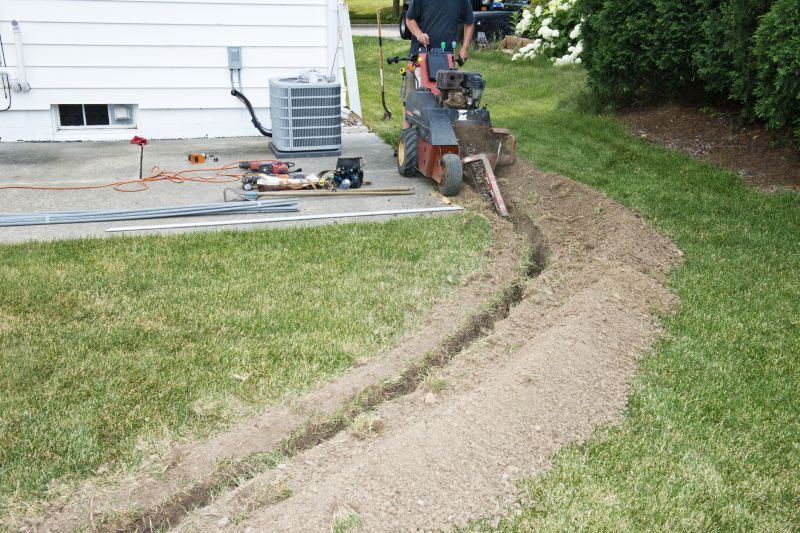
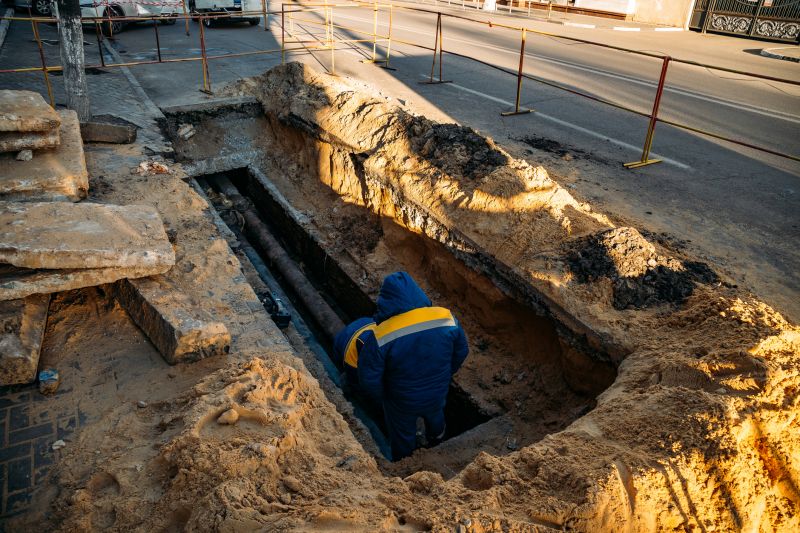
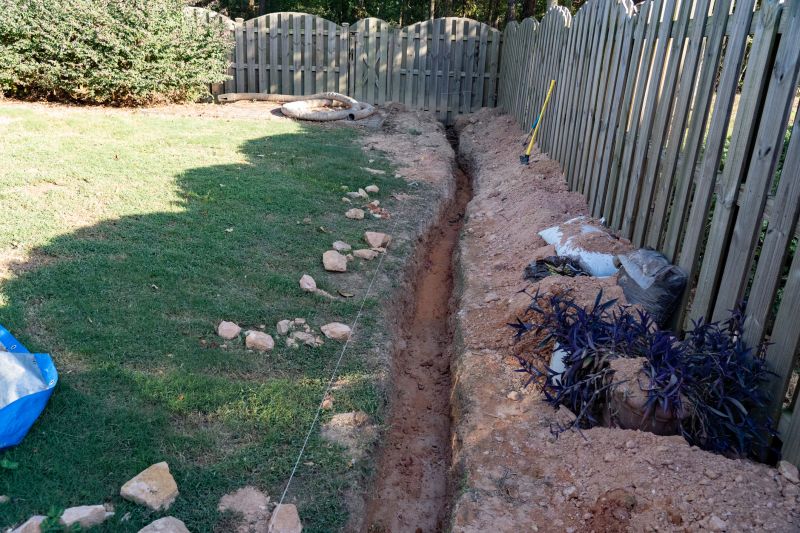
Utility trenching services involve digging narrow, carefully planned channels in the ground to lay down essential underground utilities such as water lines, electrical cables, gas pipes, and telecommunications wiring. This process requires precision to ensure that utilities are installed safely and efficiently, minimizing disruption to surrounding structures and landscaping. Skilled contractors use specialized equipment to excavate trenches to the correct depth and width, then backfill and restore the area once the utility lines are in place. Proper trenching is a critical step in many property improvement projects, whether for new construction, upgrades, or repairs.
This service helps address a variety of common problems homeowners and property owners encounter, such as outdated utility connections, the need for additional service lines, or repairs to existing underground infrastructure. For example, if a property’s electrical wiring is outdated or damaged, trenching may be necessary to install new underground cables. Similarly, when connecting a new irrigation system or extending utility lines to a detached garage or shed, trenching provides a clean, efficient way to run lines underground without disrupting the surface terrain. Trenching can also resolve issues related to water leaks or gas line repairs that require careful excavation.
Properties that typically benefit from utility trenching include residential homes, commercial buildings, farms, and multi-unit complexes. Homeowners planning to add outdoor features like irrigation systems, new fencing with electrical components, or outdoor lighting often need trenching services. Commercial properties may require trenching during renovations, utility upgrades, or new construction projects. Agricultural properties might need trenches for irrigation or utility connections to remote buildings. In all cases, professional trenching ensures that underground utilities are installed safely, securely, and in compliance with local standards.
Knowing when to consider utility trenching can help prevent future issues and ensure smooth property operations. Homeowners experiencing frequent electrical outages, water line leaks, or gas line concerns might need trenching to replace or upgrade underground connections. Property owners planning new installations or renovations that involve underground utilities should contact local contractors to assess their needs. With the help of experienced service providers, it’s possible to install or repair underground utilities efficiently, reducing the risk of damage or service interruptions down the line.
The overview below groups typical Utility Trenching projects into broad ranges so you can see how smaller, mid-sized, and larger jobs often compare in Lancaster, OH.
In many markets, a large share of routine jobs stays in the lower and middle ranges, while only a smaller percentage of projects moves into the highest bands when the work is more complex or site conditions are harder than average.
Smaller Repairs - Typical costs for minor trenching projects, such as replacing a section of underground wiring or repair work, generally range from $250-$600. Many routine jobs fall within this middle range, depending on the depth and length of the trench needed.
Standard Utility Trenching - For standard installation or replacement of utility lines, local contractors often charge between $1,000 and $3,500. Larger projects or longer trench runs can push costs higher, but most jobs stay within this range.
Full Replacement of Utility Lines - Complete replacement of underground utility lines, including extensive trenching and backfill, can typically cost from $4,000 to $8,000. Projects of this scale are less common but may be necessary for aging infrastructure or significant upgrades.
Complex or Large-Scale Projects - Larger, more complex trenching jobs, such as those involving multiple utilities or difficult terrain, can exceed $10,000 and reach $20,000+ in some cases. These projects are less frequent but handled by experienced local service providers for specialized needs.
Actual totals will depend on details like access to the work area, the scope of the project, and the materials selected, so use these as general starting points rather than exact figures.
Underground Utility Installation - local contractors often handle the installation of underground electrical, water, and gas lines requiring trenching skills similar to utility trenching projects.
Drainage System Construction - building drainage and stormwater management systems involves trenching and planning comparable to utility trenching work.
Fiber Optic Cable Deployment - laying fiber optic cables underground in residential or commercial areas requires precise trenching and planning skills similar to utility trenching services.
Foundation Drainage Excavation - excavating trenches for foundation drainage systems involves similar tools and planning as utility trenching projects.
Electrical Conduit Installation - installing electrical conduits underground for new or existing structures shares trenching techniques and safety considerations with utility trenching.
Irrigation System Installation - laying underground irrigation lines involves trenching and planning skills comparable to those used in utility trenching services.
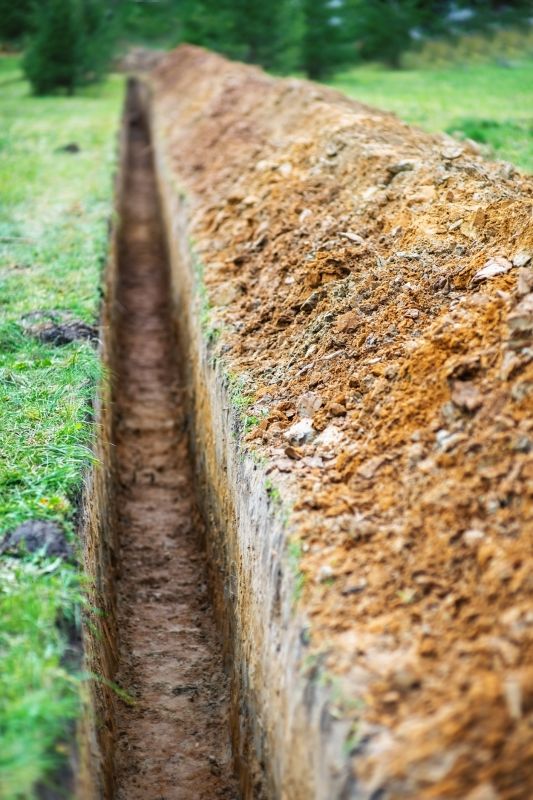
When comparing contractors for utility trenching services, it’s important to consider their experience with similar projects. Homeowners should look for service providers who have a proven track record of handling trenching work comparable to the scope of their project. This can include understanding the specific requirements of underground utilities, soil conditions, and the complexity of the site. Asking about past projects or requesting examples of completed work can help gauge whether a contractor has the necessary background to deliver quality results.
Clear written expectations are essential to ensure everyone is on the same page. Homeowners should seek service providers who offer detailed proposals outlining the scope of work, materials, and any relevant terms. Having a well-defined plan helps prevent misunderstandings and provides a basis for evaluating the professionalism of each contractor. It’s also beneficial to clarify what is included in the service and what might be considered additional work, so expectations are transparent from the beginning.
Reputable references and good communication are key indicators of a reliable contractor. Homeowners should ask for references or reviews from previous clients to gain insight into the contractor’s reliability and quality of work. Additionally, a service provider’s responsiveness and willingness to answer questions can reflect their commitment to clear communication. When selecting a contractor for utility trenching, it’s important to choose one who demonstrates professionalism, transparency, and a history of positive relationships with past clients.
Property owners in Lancaster, OH use Utility Trenching services for practical projects around their homes and businesses. This guide focuses on everyday jobs and straightforward project options.
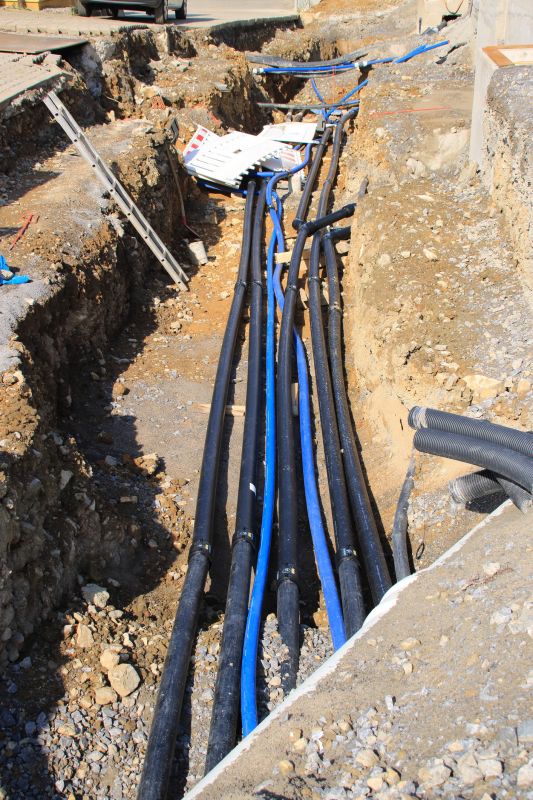
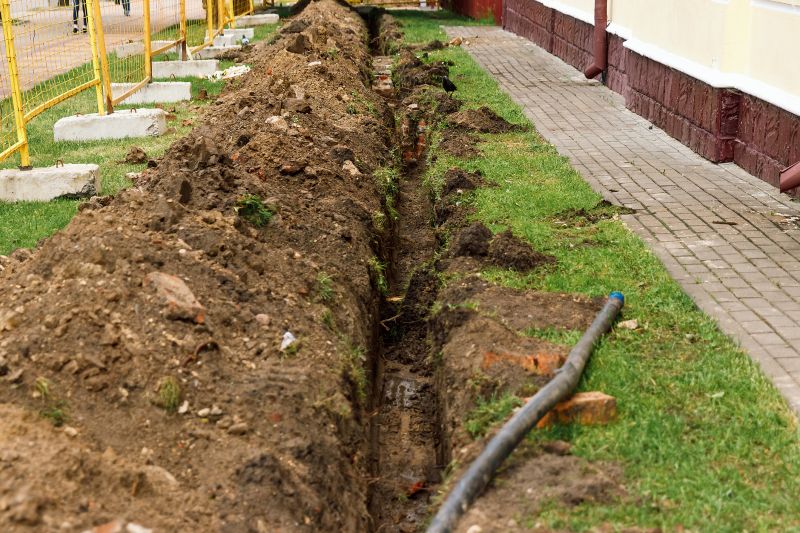
Utility trenching services are often needed when property owners in Lancaster, OH, need to install or upgrade underground utilities such as water lines, electrical cables, or communication systems. Homeowners preparing to add a new outdoor electrical outlet, install a sprinkler system, or connect a new building to existing utilities may seek out local contractors who specialize in trenching. These services help ensure that underground lines are safely and properly laid out, reducing the risk of future issues or disruptions.
Property owners might also look for utility trenching when planning renovations or new constructions that require underground connections. Whether upgrading aging infrastructure or running new lines to accommodate a growing property, local service providers can handle the excavation work efficiently. Connecting with experienced trenching specialists can make the process smoother and help avoid common challenges like utility line damage or improper installation.
What is utility trenching used for? Utility trenching is used to install or repair underground utilities such as electrical wiring, water lines, gas pipes, and communication cables.
What types of trenching methods do local contractors offer? Contractors may provide various trenching methods, including hand trenching, machine trenching, and directional boring, depending on the project requirements.
How deep are utility trenches typically dug? The depth of utility trenches varies based on the utility type and local codes, but they generally range from 18 inches to several feet deep.
What materials are used to cover or line utility trenches? Trenches are often lined with protective pipes, conduit, or bedding materials, and then covered with backfill to restore the ground surface.
What factors influence the choice of trenching services? Factors include the type of utility being installed, soil conditions, location, and project scope, which help determine the most suitable trenching method and equipment.
Underground Utility Installation - Property owners can have local contractors install underground electrical, water, or gas lines for renovations or new appliances.
Drainage and Sewer Trenching - Proper trenching can help improve drainage around the property or facilitate sewer line repairs and replacements.
Landscape and Garden Projects - Trenching services can be used to lay irrigation systems or underground wiring for outdoor lighting.
Emergency Repairs and Upgrades - When urgent utility repairs are needed, local service providers can quickly excavate and access underground lines for repairs or upgrades.
If you are thinking about Utility Trenching for a property in Lancaster, OH, this guide is meant to help you understand the work, the typical project types, and how different options might fit your plans.
When you are ready, you can use the quote form on this page to share a few details about your project. From there, local pros can review the basics and respond with options that match what you have in mind.